The history of The Bengal Club dates back to 1827. Epitomizing elegance and class, it is one of the social clubs in the world that outlasted its colonial founders and yet retained its majestic legacy
Read More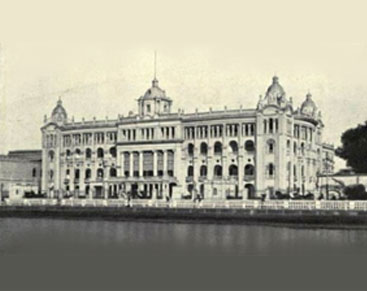
The Bengal Club is a veritable Art & Artefact Museum with original oil canvasses that adorn its walls and a collection of antique clocks, silverware and many more
Read More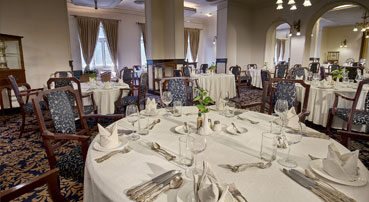
The culinary spread at Bengal Club is legendary. Take a look at what is on offer – monthly menus, takeaways, pastry shop, special menus
Read More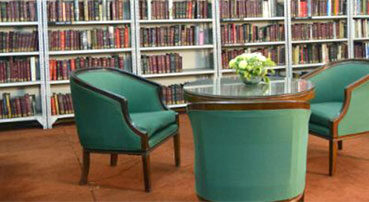
The Library at Bengal Club is a treasure trove of knowledge added to by its most sought after Library Talks
Read More
The Club hosts a diverse range of events to cater to all member profiles. Check out the ones you have missed and the ones you want to attend
Read More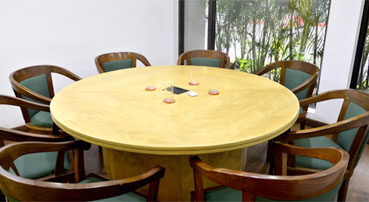
The Business Centre, Chambers, Meeting Rooms provide the right ambience for meetings and interactions
Read More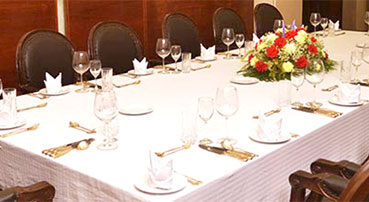
Celebrating any event at Bengal Club is an experience of a different kind. From small groups to large banquets we have it all
Read More
The Club offers a wide range of sports facilities such as Bridge, Billiards, Chess, Darts and more all housed in our beautiful sports lounge
Read More
Gopalkrishna Gandhi in conversation with Dr Rudrangshu Mukherjee on his new book, “The Undying Light: A Personal History of Independent India”
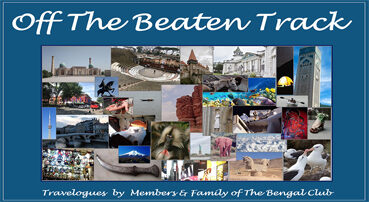
Travelogues shared by our Members to help you plan your next holiday destination
Read More